Stance and Teeps: How to Improve Readiness and Strike Effectiveness
Stance and Teeps
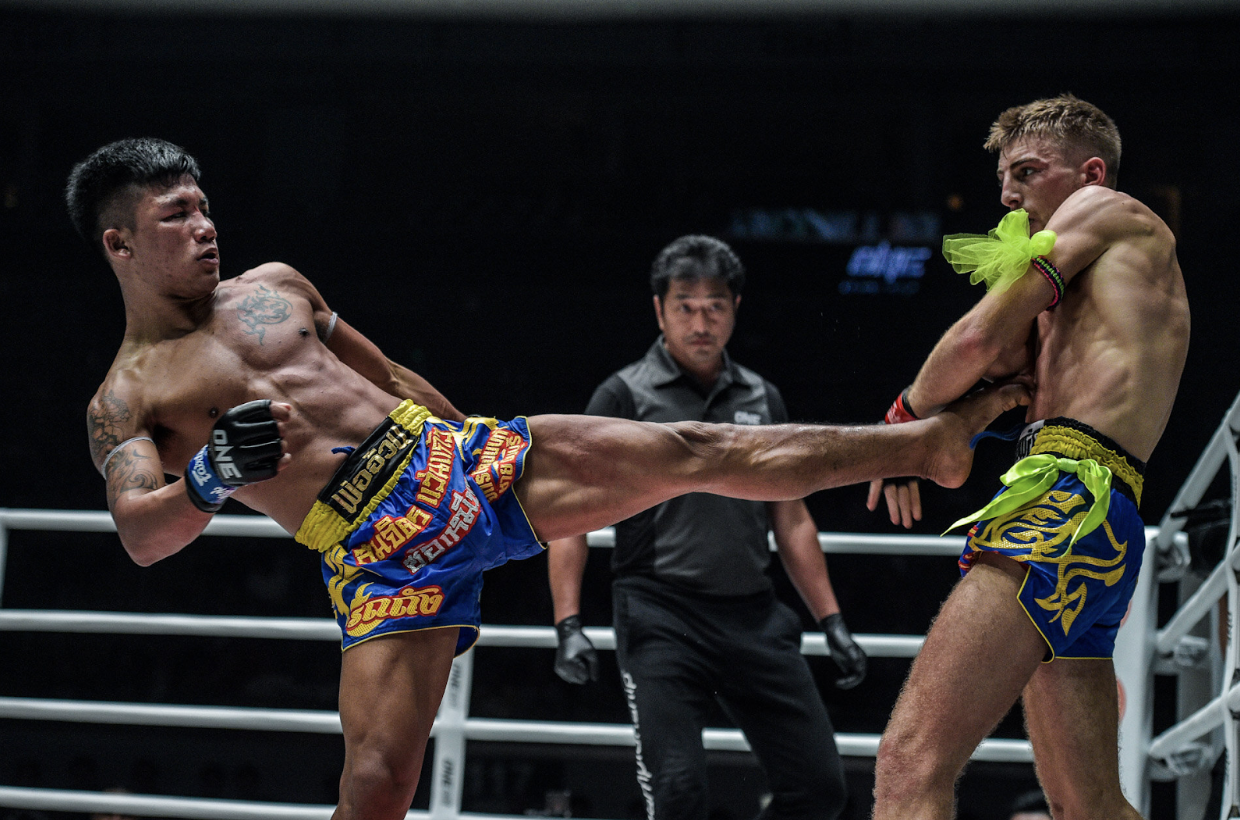
Like your jab and cross, your front and rear teep are bread-and-butter techniques that are the fastest strike of their type thanks to being straight-line attacks. Unlike a jab and cross, the teep is inherently going to be a little slower because it’s thrown with a bigger, heavier limb. A good stance will allow you to throw either teep at a moment’s notice—whether you need to stop your opponent from advancing or attacking, damage them by hitting the solar plexus, belly, face, or the knee of a straightened leg, or drive them back with a teep that is more powerful push than sharp impact.
Check that you can easily lift your front leg and threaten the front teep. A skilled opponent will respect it. An inexperienced opponent will often flinch heavily or not recognize the danger at all (more on how to exploit this in the future).
Check also that you can slightly shift your weight to your front foot to lift and threaten the rear teep. For the same reasons above—but at a longer range—you want to be able to explode forward with your rear teep at any time.
As with all strikes, remember that you want to be able to move—stepping forwards, backwards, or sideways—and immediately return to the balanced stance you were just in, able to lift the legs just as easily. It’s a common challenge that people’s stances get wide as they move, restricting their ability to easily lift and use their legs.
Try a simple shadowboxing exercise: throw a few punches, step, and immediately throw a teep after you move. Did you have to readjust your feet before the teep? Were you able to throw the teep the instant after you reset your feet?
You can improve your readiness—and therefore your effective speed—faster than you can improve your raw speed.